
“Know thyself” is a common expression that is often used today and was first inscribed at the Temple of Apollo at Delphi, in ancient Delphi, Greece.
We can know about ourselves in various ways. When you know yourself, you can achieve many things in the best possible way. Self-ignorance might leave a person in distress or frustration. Knowledge of oneself is a must to win, conquer, or at least navigate tough situations.
In the gospel it is clear that Jesus knew who he was. However, he wanted to know what others thought about him. The liturgical readings this Sunday give us a beautiful account of Jesus' popularity among the masses. In other words, the readings invite us to grow in knowledge and wisdom of God every day as we journey through our lives.
“Know thyself” is a common expression that is often used today and was first inscribed at the Temple of Apollo at Delphi, in ancient Delphi, Greece.
We can know about ourselves in various ways. When you know yourself, you can achieve many things in the best possible way. Self-ignorance might leave a person in distress or frustration. Knowledge of oneself is a must to win, conquer, or at least navigate tough situations.
In the gospel it is clear that Jesus knew who he was. However, he wanted to know what others thought about him. The liturgical readings this Sunday give us a beautiful account of Jesus' popularity among the masses. In other words, the readings invite us to grow in knowledge and wisdom of God every day as we journey through our lives.
The person of Jesus to oneself and others
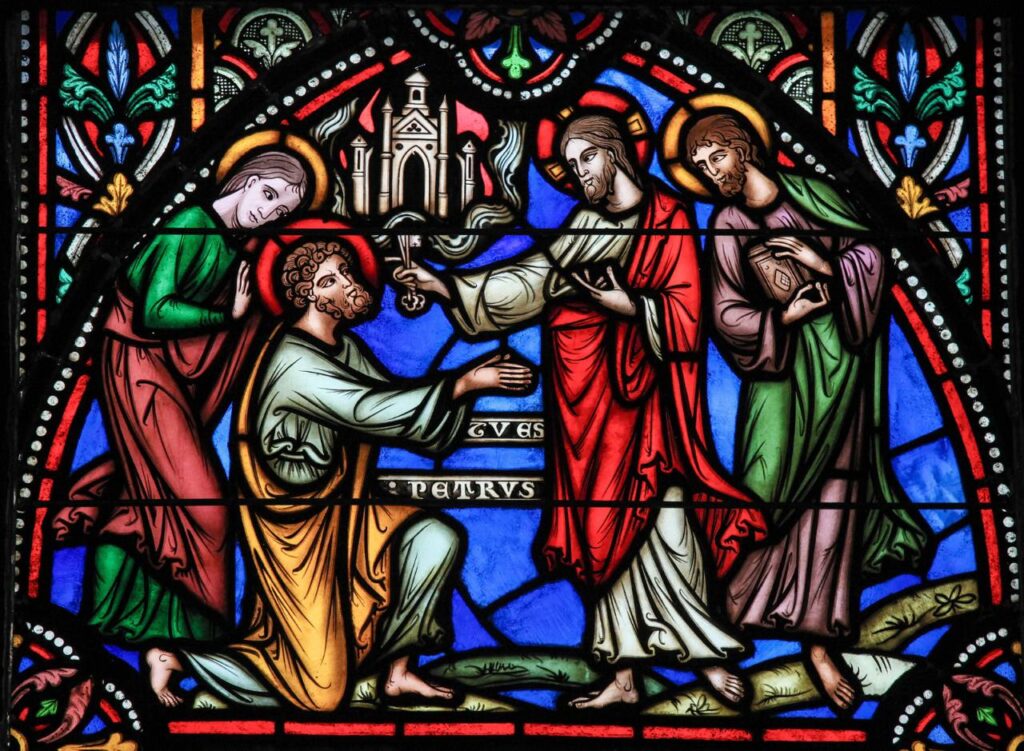
The Gospel of Matthew today presents a decisive moment in the relationship between Jesus and his disciples. Jesus asks two questions: “Who do people say that the Son of Man is?” and, more importantly, “But who do you say that I am?”
The first question concerns public opinion; the second demands personal faith. Christianity ultimately is not merely about knowing what others say about Jesus. It is about discovering and proclaiming who Jesus is for me.
The answer to the question of who Jesus is for me is based on one's experience and relationship with him. We cannot give a ready-made answer from books or from the life of others.
For a Christian, Jesus Christ is everything - life and breath. Just as St Peter answered, Jesus Christ is truly the Son of the living God. Without Christ, we have no meaning as a Christian. He is the foundation of our lives to live and to give witness.
Experience strengthens our faith
St Peter recognizes that Jesus is not simply a teacher, a prophet or a miracle-worker. Jesus is the Messiah, the Son of God. This confession becomes the foundation of his discipleship. This question also applies to us. Our faith becomes meaningful when Jesus moves from being someone we know about to someone we personally know and follow.
Often we speak about our God experience. Our God experience is built upon the foundation of faith. It also determines how big our God is. Is our faith simply built on rites and rituals, external celebrations, installing statues or constructing Churches?
Faith is a gift from God. We need to pray that God may increase our faith. When we have faith, God reveals himself
Leadership is a responsibility, not a privilege
We can study theology, read Scripture, listen to sermons and participate in religious practices, but genuine faith requires an openness to God's grace. Faith is ultimately a grace. Faith grows when we allow God to reveal himself in Scripture, prayer, the Eucharist, community, suffering, service and the people we encounter every day.
Faith is also a responsibility. Faith makes you grow in leadership. Therefore, faith is leadership with responsibility. In other words, you have to lead others in faith and to do that, you must have faith yourself.
Just as God revealed to St Peter, we too are called to receive that revelation. Even though we may not be perfect, God makes us worthy in our imperfection. In fact, God chooses us because we are imperfect. God does not call perfect people; God calls ordinary people and transforms them through grace.
God can build something beautiful even with imperfect people when they surrender themselves to him. Ultimately, Christian leadership is not about power, status or recognition. It is about service, responsibility and care for others.
Questions for self-reflection
* Who is Jesus in my life?
* What place does Jesus occupy in my life?
* Do I genuinely allow him to shape my decisions, relationships and priorities?
* When life becomes difficult, do I continue to recognize him as the Son of the living God?
A closing prayer
Lord Jesus, help me to love You above all things, to carry my cross with courage, and to recognize Your presence in every person I meet. Make me generous in service, faithful in discipleship, and open to the transforming power of Your love. I make this prayer in Jesus' Holy Name. Amen.
Fr Olvin Veigas
12th Sunday of Trinity, Year 1
«Познай самого себя» — известное изречение, которое нередко употребляется и в наши дни. Впервые оно было начертано на храме Аполлона в Дельфах, в древней Греции.
Человек может познавать себя по-разному. Познавая себя, он получает возможность вернее устроять свою жизнь и достойно совершать своё служение. Непонимание самого себя нередко приводит к смятению, тревоге и разочарованию. Самопознание необходимо, чтобы с Божией помощью преодолевать испытания и находить верный путь в трудных обстоятельствах.
«Познай самого себя» — известное изречение, которое нередко употребляется и в наши дни. Впервые оно было начертано на храме Аполлона в Дельфах, в древней Греции.
Человек может познавать себя по-разному. Познавая себя, он получает возможность вернее устроять свою жизнь и достойно совершать своё служение. Непонимание самого себя нередко приводит к смятению, тревоге и разочарованию. Самопознание необходимо, чтобы с Божией помощью преодолевать испытания и находить верный путь в трудных обстоятельствах.
Из Евангелия мы ясно видим, что Господь Иисус Христос знал, Кто Он. Но Он спрашивает учеников и о том, что думают о Нём люди. Воскресные литургические чтения открывают нам, каким великим было внимание народа к Спасителю. Вместе с тем они призывают нас ежедневно возрастать в познании Бога и в духовной мудрости, совершая путь земной жизни. Кто для нас Иисус Христос
Сегодняшнее Евангелие от Матфея показывает важнейший момент в отношениях Господа Иисуса Христа с Его учениками. Спаситель задаёт им два вопроса: «За кого люди почитают Меня, Сына Человеческого?» — и затем, ещё более непосредственно: «А вы за кого почитаете Меня?»
Первый вопрос касается того, что говорят люди; второй обращён к личной вере каждого ученика. Христианская жизнь не сводится к знанию того, что другие говорят о Христе. Она состоит в том, чтобы самому открыть, исповедать и свидетельствовать: Кто есть Христос для меня.
Ответ на вопрос: «Кто для меня Иисус Христос?» — рождается из личной встречи с Ним, из опыта молитвы, из участия в церковной жизни и из живых отношений с Господом. Невозможно дать на этот вопрос готовый ответ, заимствованный только из книг или из чужого духовного опыта.
Для христианина Христос — всё: источник жизни, дыхание души, свет и надежда. Подобно святому апостолу Петру, мы исповедуем: «Ты — Христос, Сын Бога Живаго». Без Христа христианская жизнь лишается своего основания и смысла. Он — основание нашей веры, нашей жизни и нашего свидетельства перед миром. Опыт веры укрепляет нас
Святой апостол Пётр увидел во Христе не только Учителя, Пророка или Чудотворца. Он исповедовал в Нём Мессию, Сына Божия. Это исповедание стало основанием его апостольского служения и ученичества.
Этот вопрос обращён и к каждому из нас. Вера становится живой и исполненной смысла тогда, когда Христос перестаёт быть лишь Тем, о Ком мы слышали или читали, и становится Тем, Кого мы лично знаем, Кому доверяем и за Кем следуем.
Нередко мы говорим о своём опыте общения с Богом. Этот опыт утверждается на основании веры. Он также открывает, насколько велик Господь в нашей жизни. Но не ограничивается ли наша вера лишь внешним исполнением обрядов, праздниками, украшением храмов или строительством церковных зданий?
Вера есть дар Божий. Поэтому будем молиться, чтобы Господь умножал её в нас. Когда человек живёт верой, Господь открывает ему Себя. Лидерство — служение и ответственность
Мы можем изучать богословие, читать Священное Писание, слушать проповеди и участвовать в богослужении, но подлинная вера требует открытого сердца для благодати Божией. Вера сама есть дар благодати. Она возрастает, когда мы позволяем Господу открывать Себя нам в Священном Писании, в молитве, в Евхаристии, в жизни церковной общины, в страданиях, в служении ближним и в людях, которых Он посылает нам ежедневно.
Вера — это также ответственность. Она побуждает человека возрастать в умении вести за собой других. Но христианское руководство всегда соединено со служением. Если мы призваны укреплять других в вере, то прежде сами должны жить этой верой.
Подобно тому как Небесный Отец открыл истину о Христе святому апостолу Петру, и мы призваны принять это откровение. Мы несовершенны, но Господь делает нас достойными, не оставляя нас в нашей немощи. Бог призывает не только совершенных людей; Он призывает обычных людей и преображает их Своей благодатью.
Господь может совершить великое и прекрасное даже через немощных и несовершенных людей, если они с доверием предают себя Его святой воле. Подлинное христианское руководство — не власть, не высокое положение и не человеческое признание. Это служение, ответственность и любовь к ближнему. Вопросы для размышления
* Кто есть Иисус Христос в моей жизни?
* Какое место занимает Господь в моём сердце и в моей жизни?
* Позволяю ли я Ему направлять мои решения, отношения с людьми и жизненные приоритеты?
* Когда наступают скорби и испытания, продолжаю ли я исповедовать Его Христом, Сыном Бога Живаго?
Заключительная молитва
Господи Иисусе Христе, помоги мне любить Тебя превыше всего, с мужеством нести свой крест и видеть Твоё присутствие в каждом человеке, которого Ты посылаешь мне навстречу. Даруй мне щедрость в служении, верность в следовании за Тобою и открытое сердце для преображающей силы Твоей любви. Во имя святое Твоё возношу эту молитву. Аминь.
O. Ольвин Вейгас SJ
12-е воскресенье по Троице, год A

How dare someone do that? Why is there so much evil in this world? Why does wickedness never cease to exist? These are some typical questions we often ask when we are threatened or see evil occupying the good places. Often we see this daunting task of overcoming evil. However, evil does exist. Wicked people continue to do things which are not supposed to be done. There is no limit, age, status or position. In this context, we must read today's liturgical reading on the 16th Sunday in Ordinary Time and draw inspiration for our lives.
How dare someone do that? Why is there so much evil in this world? Why does wickedness never cease to exist? These are some typical questions we often ask when we are threatened or see evil occupying the good places. Often we see this daunting task of overcoming evil. However, evil does exist. Wicked people continue to do things which are not supposed to be done. There is no limit, age, status or position. In this context, we must read today's liturgical reading on the 16th Sunday in Ordinary Time and draw inspiration for our lives.
God Works Patiently in the Midst of Imperfection
In the Gospel Matthew 13:24–43, Jesus tells the parable of the wheat and the weeds. The servants want to pull out the weeds immediately, but the master tells them to wait until the harvest. This teaches us that God is infinitely patient. We often want quick solutions to problems, instant justice, or immediate perfection in ourselves and others. Yet God allows time for growth, conversion, and transformation.
The field is the world, but it is also our own hearts. Good and evil often coexist within us. Rather than condemning us, God patiently nurtures the good and invites us to choose His way every day. His patience is not weakness but mercy. Jesus too experienced evil around him. Therefore, he called remain faithful in ordinary daily life to the God of strength.
The Holy Spirit Prays When We Cannot
St. Paul reminds us in Romans 8:26–27 that "the Spirit helps us in our weakness." There are moments when words fail us—times of grief, confusion, disappointment, failure, loss, or fear. We may not know what to pray for or how to pray. Yet we are never alone. The Holy Spirit intercedes for us with "groanings too deep for words."
Prayer is not about finding perfect words or intentions but about opening our hearts to God. Even our silence, tears, and struggles become prayer when entrusted to the Holy Spirit. Prayer is a weapon against temptations and fear. Prayer gives strength and courage. It builds and comforts.
Why Judge Others Too Quickly?
The servants in the parable are eager to separate the weeds from the wheat. Jesus reminds us that appearances can be deceptive. We might perceive wrongly. A person who seems far from God today may become a great saint tomorrow. Likewise, someone who appears righteous may still need conversion. Being good wheat means bearing the fruits of the Spirit—love, joy, peace, patience, kindness, generosity, faithfulness, gentleness, and self-control. Every day offers opportunities to grow closer to Christ through our choices.
Our task is not to judge but to love, encourage, and witness to the Gospel. Final judgment belongs to God alone, who knows every heart completely. The parables of the mustard seed and the yeast reveal that God's Kingdom often begins in small, unnoticed ways. A small act of kindness, a sincere prayer, an encouraging word, or an act of forgiveness may seem insignificant, but God can use these small beginnings to accomplish extraordinary things.
Questions for Personal Reflection
* What kind of fruit is my life producing for my family, community, workplace, parish, and society?
* How have I experienced the Holy Spirit's help during difficult times?
* Do I rely on the Holy Spirit in my moments of weakness, or do I try to carry my burdens alone?
Concluding Prayer
Lord Jesus, you are patient with our weaknesses and merciful toward our failures. Teach us to trust Your perfect timing and to resist judging others. Fill us with the power of the Holy Spirit, especially when we are weak and do not know how to pray. Help us to be good wheat in Your field, bearing fruits of love, peace, kindness, and faithfulness. May our lives quietly build Your Kingdom until the day we shine forever in Your presence. We make this prayer in Jesus' Holy Name, Amen.
Fr Olvin Veigas, SJ
7th Sunday of Trinity, Year A
Как кто-то может на такое решиться? Почему в этом мире так много зла? Почему нечестие никогда не исчезает? Это типичные вопросы, которые мы задаём, когда сталкиваемся с угрозой или видим, как зло занимает место добра.
Часто перед нами встаёт пугающая задача — противостоять злу. И всё же зло существует. Нечестивые люди продолжают делать то, чего делать не должно. Нет границ — ни возраста, ни статуса, ни положения.
Как кто-то может на такое решиться? Почему в этом мире так много зла? Почему нечестие никогда не исчезает? Это типичные вопросы, которые мы задаём, когда сталкиваемся с угрозой или видим, как зло занимает место добра.
Часто перед нами встаёт пугающая задача — противостоять злу. И всё же зло существует. Нечестивые люди продолжают делать то, чего делать не должно. Нет границ — ни возраста, ни статуса, ни положения.
В этом контексте нам следует обратиться к сегодняшнему литургическому чтению 16-го воскресенья Рядового времени и найти в нём вдохновение для нашей жизни.
Бог действует терпеливо среди несовершенства
В Евангелии от Матфея (13:24–43) Иисус рассказывает притчу о пшенице и плевелах. Слуги хотят немедленно вырвать сорняки, но хозяин велит им подождать до жатвы. Это учит нас тому, что Бог бесконечно терпелив. Мы часто ищем быстрых решений, мгновенной справедливости или немедленного совершенства — в себе и в других. Однако Бог даёт время для роста, обращения и преображения.
Поле — это мир, но это также и наше сердце. Добро и зло часто сосуществуют внутри нас. Вместо того чтобы осуждать нас, Бог терпеливо взращивает добро и приглашает нас каждый день выбирать Его путь. Его терпение — это не слабость, а милость. Сам Иисус также сталкивался со злом. Поэтому Он призывает нас оставаться верными Богу силы в повседневной жизни.
Святой Дух молится, когда мы не можем
Святой Павел напоминает нам в Послании к Римлянам (8:26–27): «Дух подкрепляет нас в немощах наших». Бывают моменты, когда слова нас покидают — времена скорби, замешательства, разочарования, неудач, утраты или страха. Мы можем не знать, о чём молиться или как молиться. Но мы никогда не остаёмся одни. Святой Дух ходатайствует за нас «воздыханиями неизречёнными».
Молитва — это не поиск идеальных слов или намерений, а открытие сердца Богу. Даже наше молчание, слёзы и борьба становятся молитвой, когда мы доверяем их Святому Духу. Молитва — это оружие против искушений и страха. Она даёт силу и мужество. Она созидает и утешает.
Почему мы так быстро судим других?
Слуги в притче спешат отделить плевелы от пшеницы. Иисус напоминает нам, что внешность может обманывать. Мы можем ошибаться в своих суждениях. Тот, кто сегодня кажется далёким от Бога, завтра может стать великим святым. И наоборот, тот, кто выглядит праведным, всё ещё может нуждаться в обращении. Быть доброй пшеницей — значит приносить плоды Духа: любовь, радость, мир, терпение, доброту, щедрость, верность, кротость и самообладание. Каждый день даёт нам возможность через наши выборы становиться ближе ко Христу.
Наша задача — не судить, а любить, поддерживать и свидетельствовать о Евангелии. Окончательный суд принадлежит одному Богу, Который знает каждое сердце полностью. Притчи о горчичном зерне и закваске показывают, что Царство Божие часто начинается с малого и незаметного. Малый акт доброты, искренняя молитва, слово поддержки или прощение могут казаться незначительными, но Бог способен через такие малые начала совершать великие дела.
Вопросы для личного размышления
* Какие плоды приносит моя жизнь в моей семье, общине, на работе, в приходе и в обществе?
* Как я переживал помощь Святого Духа в трудные времена?
* Полагаюсь ли я на Святого Духа в моменты слабости, или пытаюсь нести свои бремена в одиночку?
Заключительная молитва
Господи Иисусе, Ты терпелив к нашим слабостям и милостив к нашим падениям. Научи нас доверять Твоему совершенному времени и удерживаться от осуждения других. Исполни нас силой Святого Духа, особенно тогда, когда мы слабы и не знаем, как молиться. Помоги нам быть доброй пшеницей на Твоём поле, приносящей плоды любви, мира, доброты и верности. Пусть наша жизнь тихо созидает Твоё Царство до того дня, когда мы вечно засияем в Твоём присутствии. Мы возносим эту молитву во святое имя Иисуса. Аминь.
O. Ольвин Вейгас SJ
7-е воскресенье по Троице, год A.

Patience, trust, confidence and hope defines the life of a farmer. A person who tills the soil knows that their effort can potentially yield a healthy crop. For every effort has its fruits. Something will result, we just don’t know what at the time of planting.
For example, what happens when the rains don’t come? The success or failure of a farmer’s spring labors depends not only on the quality of the seeds but on God’s grace in bringing the rains which nurture and support the growth of a healthy crop.
Patience, trust, confidence and hope defines the life of a farmer. A person who tills the soil knows that their effort can potentially yield a healthy crop. For every effort has its fruits. Something will result, we just don’t know what at the time of planting.
For example, what happens when the rains don’t come? The success or failure of a farmer’s spring labors depends not only on the quality of the seeds but on God’s grace in bringing the rains which nurture and support the growth of a healthy crop.
Each of us is blessed by God with gifts that prepare the soil of our hearts to nurture the seeds that Jesus speaks of in today’s gospel. But the fruits we produce – the health of the crop that reaches harvest – depends on the rains, the sun and the temperature – our acceptance of the life giving grace we receive freely from a God who loves us unconditionally.
Our God is a Generous God
In today's Gospel, Jesus uses a simple image from everyday life—a farmer sowing seeds—to reveal a profound truth about the Kingdom of God. The seed is the Word of God, generously scattered by the sower indiscriminately. The sower in Jesus’ parable is God himself.
Whether that seed grows into a healthy crop is determined not by the quality of the seed, but on the condition of the soil and the environment that impacts the seed as it begins to sprout. In this parable, Jesus invites each of us to examine the ‘soil’ of our own hearts.
Do we cultivate a spirit of gratitude? Do we build loving relationships in all aspects of our lives? Do we exhibit integrity in our interactions with others? Do we have concern for the poor? Do we forgive our enemies? In short, are we a joyful witness to Christ?
The sower does not micromanage where the seed will fall. He scatters the seeds freely and abundantly. This reflects God's unconditional love and mercy. God never stops speaking to us through Scripture, prayer, the sacraments, people around us, and the events of our daily lives. He continually gifts us with opportunities to grow.
The question is never if God is speaking. The question is whether we are listening.
Working on God-given Opportunities
We see in this parable of Jesus a demonstration of free will in action. The farmer scatters freely and the seeds are free to sprout – or not – depending on the condition of the soil on which they fall – the soil within the human heart into which the Word of God falls. If God’s Word falls on fertile soil, a great harvest results. If not, the weeds take over, the soil dries and cracks … and all is lost.
As St Matthew writes in today’s gospel: When anyone hears the word of the kingdom and does not understand it, the evil one comes and snatches away what is sown in the heart.
This concerns seed that lands on an asphalt payment symbolic of a heart hardened by routine, indifference, pride, or a spirit of evil that manipulates through distraction and temptation.
If the ground is rocky, the Word is received with joy but roots cannot form to maintain that joy. Despite the initial enthusiasm, perseverance is lacking. Faith is superficial and emotional, instead of deeply grounded. When difficulties, criticism, or suffering arise, everything is lost.
The Word which falls among thorns represents the soul of a person obsessed with worldly success, power and wealth – whatever might sprout will be choked. Think of it as a place where we are choked by worldly anxieties, materialism, ambition, and the constant pursuit of comfort.
Modern life often fills our hearts with so many concerns that there is little room left for God.
What Good Soil Really Means
Good soil is nothing but a heart ready to listen, understand and live accordingly to God’s plan. Despite hardship, such a heart continues to grow with acts of love, forgiveness, compassion, justice, and service. It is a heart cultivated through prayer, repentance, humility, silence, and regular reflection on God's Word.
The fertile heart is also one supported by an environment populated by fellow Christians who help such hearts navigate the daily opportunities and challenges to choose right relationships, live with integrity, and communicate with authentic compassion and love. Jesus instructs us that we will bear fruit if we strive to become what we were meant to be. What belongs to us as believers in Christ cannot be taken away by anyone.
This is to say that God as the sower in Jesus’ parable today knows where he sows and a good sower never sows in bad soil.
Questions for Personal Reflection
• What distractions or worries prevent God's Word from taking deep root in my life? • Do we persevere in faith when we face challenges or disappointments? • What fruits of the Gospel are visible in my family, workplace, and community?
Concluding Prayer
Lord Jesus, You continue to sow the seeds of Your Word into my heart each day. Remove whatever hardens my heart, deepen my faith when it is weak, and free me from the worries and attachments that choke Your grace. Make my heart rich soil where Your Word can take root, grow, and bear abundant fruit. Help me to live Your Gospel with courage and joy, so that my life may become a blessing to others and bring glory to You. I make this prayer in Jesus' Holy Name, Amen.
Fr Olvin Veigas, SJ
6th Sunday of Trinity, Year A
Терпение, доверие, уверенность и надежда определяют жизнь земледельца. Тот, кто обрабатывает почву, знает, что его труд может принести добрый урожай. Ведь всякое усилие приносит свои плоды. Что-то обязательно произойдет — мы просто не знаем, что именно, в момент посева.
Терпение, доверие, уверенность и надежда определяют жизнь земледельца. Тот, кто обрабатывает почву, знает, что его труд может принести добрый урожай. Ведь всякое усилие приносит свои плоды. Что-то обязательно произойдет — мы просто не знаем, что именно, в момент посева.
Например, что происходит, когда не приходят дожди? Успех или неудача весенних трудов земледельца зависит не только от качества семян, но и от Божьей благодати, посылающей дожди, которые питают и поддерживают рост здорового урожая.
Каждый из нас благословлен Богом дарами, которые подготавливают почву наших сердец для того, чтобы взрастить семена, о которых говорит Иисус в сегодняшнем Евангелии. Но плоды, которые мы приносим — здоровье урожая, достигающего жатвы — зависят от дождя, солнца и температуры — от нашего принятия животворящей благодати, которую мы свободно получаем от Бога, любящего нас безусловно.
Наш Бог — щедрый Бог
В сегодняшнем Евангелии Иисус использует простой образ из повседневной жизни — сеятеля, разбрасывающего семена, — чтобы открыть глубокую истину о Царстве Божием. Семя — это Слово Божие, щедро и без различия разбрасываемое сеятелем. Сеятель в притче Иисуса — это Сам Бог.
То, вырастет ли это семя в добрый урожай, определяется не качеством семени, а состоянием почвы и окружающей среды, влияющей на него в момент прорастания. В этой притче Иисус приглашает каждого из нас исследовать «почву» собственного сердца.
Возделываем ли мы дух благодарности? Строим ли мы любящие отношения во всех сферах нашей жизни? Проявляем ли мы честность и целостность в отношениях с другими? Заботимся ли мы о бедных? Прощаем ли мы своих врагов? И, в конечном итоге, являемся ли мы радостными свидетелями Христа?
Сеятель не контролирует, куда именно упадет каждое зерно. Он сеет щедро и обильно. Это отражает безусловную любовь и милость Бога. Бог непрестанно говорит с нами через Писание, молитву, таинства, окружающих нас людей и события нашей повседневной жизни. Он постоянно дарует нам возможности для роста.
Вопрос никогда не в том, говорит ли Бог. Вопрос в том, слушаем ли мы.
Труд над дарованными Богом возможностями
В этой притче Иисуса мы видим проявление свободной воли в действии. Сеятель сеет свободно, и семена свободны прорасти — или нет — в зависимости от состояния почвы, на которую они падают, той почвы, которая находится в человеческом сердце, куда падает Слово Божие.
Если Слово Божие падает на плодородную почву, происходит обильный урожай. Если нет — сорняки захватывают всё, почва пересыхает и трескается… и всё погибает.
Как пишет святой Матфей в сегодняшнем Евангелии: Когда кто слышит слово о Царстве и не разумеет, приходит лукавый и похищает посеянное в сердце его.
Речь идет о семени, падающем на утоптанную дорогу — символ сердца, ожесточенного рутиной, равнодушием, гордыней или духом зла, действующим через отвлечения и искушения.
Если почва каменистая, Слово принимается с радостью, но корни не могут укрепиться, чтобы сохранить эту радость. Несмотря на первоначальный энтузиазм, не хватает стойкости. Вера становится поверхностной и эмоциональной, а не глубоко укорененной. Когда приходят трудности, критика или страдание, всё теряется.
Слово, падающее среди терний, представляет душу человека, одержимого мирским успехом, властью и богатством — всё, что может прорасти, будет заглушено. Это место, где нас душат мирские заботы, материализм, амбиции и постоянная погоня за комфортом.
Современная жизнь часто наполняет наши сердца столькими заботами, что для Бога почти не остается места.
Что на самом деле означает добрая почва
Добрая почва — это сердце, готовое слушать, понимать и жить согласно Божьему замыслу. Несмотря на трудности, такое сердце продолжает возрастать в делах любви, прощения, сострадания, справедливости и служения. Это сердце, возделываемое молитвой, покаянием, смирением, тишиной и регулярным размышлением над Словом Божиим.
Плодородное сердце также поддерживается средой, в которой есть другие христиане, помогающие ему ориентироваться в ежедневных возможностях и испытаниях, выбирать правильные отношения, жить честно и общаться с подлинным состраданием и любовью. Иисус учит нас, что мы принесем плод, если будем стремиться стать теми, кем нам предназначено быть. То, что принадлежит нам как верующим во Христа, не может быть отнято у нас никем.
Это означает, что Бог как Сеятель в притче Иисуса знает, куда Он сеет, и добрый сеятель никогда не сеет в плохую почву.
Вопросы для личного размышления
- Какие отвлечения или заботы мешают Слову Божию глубоко укорениться в моей жизни?
- Проявляем ли мы стойкость в вере, когда сталкиваемся с трудностями или разочарованиями?
= Какие плоды Евангелия видны в моей семье, на работе и в моем окружении?
Заключительная молитва
Господи Иисусе, Ты продолжаешь ежедневно сеять семена Своего Слова в моё сердце. Удали всё, что ожесточает моё сердце, укрепи мою веру, когда она слаба, и освободи меня от забот и привязанностей, которые заглушают Твою благодать. Сделай моё сердце плодородной почвой, где Твоё Слово сможет укорениться, возрасти и принести обильный плод. Помоги мне жить по Твоему Евангелию с мужеством и радостью, чтобы моя жизнь стала благословением для других и прославила Тебя. Об этом прошу во святое имя Иисуса. Аминь.
O. Ольвин Вейгас SJ
6-е воскресенье по Троице, год A.

Often our lives are burdened with things. Life here on earth is not easy. It may seem nice, beautiful, happy-go-lucky, but there are times when we feel down and have questions which may not have immediate answers. A person may be diagnosed with an incurable illness, a marriage may be in trouble, maybe you want to find the right partner but can’t, maybe you can’t find the right job or despite hard work and investment your business is failing.
In short, there are times when all of us may feel just plain miserable.
Often our lives are burdened with things. Life here on earth is not easy. It may seem nice, beautiful, happy-go-lucky, but there are times when we feel down and have questions which may not have immediate answers. A person may be diagnosed with an incurable illness, a marriage may be in trouble, maybe you want to find the right partner but can’t, maybe you can’t find the right job or despite hard work and investment your business is failing.
In short, there are times when all of us may feel just plain miserable.
The list is endless. “We are chained everywhere,” as the philosopher Thomas Hobbes puts it. However, when we place our trust in God completely and allow God to take control, our worries certainly diminish. Sometimes, we must just allow God to decide for us rather than we decide for ourselves based on our abilities and inclinations. After all, it is not we who decided to come into this world. The liturgical readings on this 5th Sunday in Trinity encourage us to put our burden on our God.
We succeed only when God intervenes in our lives
The readings of this Sunday invite us to discover the true source of peace, strength, and freedom. In a world that glorifies success, competition, and self-sufficiency, Jesus presents a radically different way—the way of humility, surrender, and life in the Spirit. Jesus begins with a prayer of thanksgiving in Matthew 11:25-30: "I thank you, Father... because you have hidden these things from the wise and learned and revealed them to little children."
God's kingdom is not reserved for the intellectually gifted or the socially powerful. Rather, it is revealed to those who possess the simplicity and openness of a child. A child trusts, depends, and receives. Pride closes the heart to God, but humility opens it to His grace. The Gospel reminds us that knowing about God is different from knowing God. A humble heart recognizes its need for God and welcomes His presence.
Problems end when we find Jesus in our lives
The Gospel reading is full of comfort and solace: "Come to me, all you who labor and are burdened, and I will give you rest." Jesus does not say, "Solve your problems first and then come." He invites us exactly as we are—tired, anxious, disappointed, guilty, or overwhelmed. Many of us carry invisible burdens: the pressure to succeed, family worries, financial struggles, broken relationships, loneliness, fear of the future, spiritual dryness. The list goes on. It ends only when we find Jesus in our lives.
Often we try to carry these burdens alone. We seek relief in distractions, possessions, or achievements. Yet none of these gives lasting peace. Jesus offers something deeper than temporary relief. He offers Himself. Rest in Christ does not mean a life without problems. Rather, it means discovering His presence within our struggles. Following Jesus certainly requires sacrifice, forgiveness, generosity, and perseverance. Yet these become lighter because they are rooted in love rather than fear.
Taking responsibility for our lives through the Holy Spirit's strength
St. Paul has beautiful words to remind us in Romans 8:9, 11-14: "You are not in the flesh; you are in the Spirit, if the Spirit of God dwells in you." To live "according to the flesh" is to allow selfish desires, ego, and worldly ambitions to govern our lives.
To live "according to the Spirit" is to let the Holy Spirit shape our thoughts, decisions, and relationships. The Spirit transforms us from within. Instead of: fear, He gives courage; anger, He gives forgiveness; selfishness, He gives generosity; despair, He gives hope. Christian life is not merely about following rules, dogmas and rituals but about allowing the Spirit of Christ to live within us.
Modern culture often tells us that freedom means doing whatever we want. The Gospel teaches something far deeper. Real freedom comes from belonging to Christ. The more we surrender to His love, the freer we become from anxiety, pride, addictions, jealousy, resentment, and fear.
Questions for Personal Reflection
1. Do I approach God with the humility and trust of a child, or do I rely primarily on my own abilities? 2. How is the Holy Spirit inviting me to grow in love, forgiveness, and generosity? 3. What practical step can I take this week to deepen my relationship with Christ and allow Him to carry my burdens?
Concluding Prayer
Loving Father, We thank You for revealing Your love to the humble and for inviting us to come to Jesus with all our burdens. When we grow weary, remind us that Your Son is always ready to receive us with compassion and to give us true rest. Fill us with Your Holy Spirit, so that we may put aside selfishness and live according to Your will.
Grant us humble hearts, trusting faith, and the courage to carry the yoke of Christ with joy, knowing that He walks beside us every step of the way. May our lives reflect the gentleness and humility of Jesus, bringing peace, hope, and encouragement to all whom we meet. We make this prayer in Jesus' Holy Name, Amen.
Fr Olvin Veigas, SJ